Why does seating choice affect the acoustics of a private home theater room?
Upholstered chairs are the largest absorbers in most theaters, and their placement puts your ears where the bass is best or worst. Seating and sound are one decision.
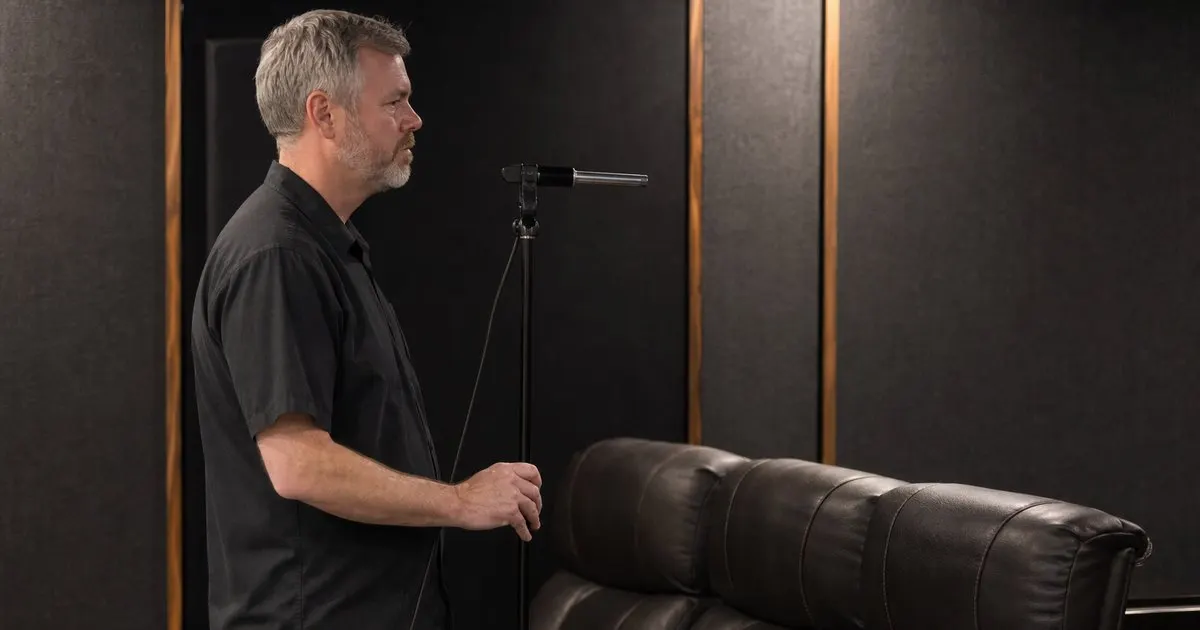
Chairs as acoustic absorbers
Walk into an empty theater room before the seating arrives and clap; then do it again once the row is installed. The difference is the seating working as an acoustic treatment. Thick upholstered chairs absorb mid and high frequencies across a large surface area, and a row of deep fabric recliners can absorb as much as a generous run of wall panels. Leather behaves differently: the surface reflects more high-frequency energy, so a leather row leaves the room brighter than the same row in a napped fabric, and the acoustic designer needs to know which one is coming. Related: How do you choose luxury home cinema seating for a dedicated theater room?
This is why seating should be chosen before the treatment plan is finalized, not after. A room designed around fabric seats that ends up with leather can sound harsh at the listening position, while a room with heavy wall absorption and thick fabric seating can tip into a dead, closed-in quality that makes dialogue sound dull. Occupants absorb too, so a good calibrator measures with people in the seats or accounts for them. The point is not that one cover is better, but that seating and treatment are one acoustic budget. Related: What upholstery materials hold up best in a high-end private screening room over time?
Keep reading: How do you choose luxury home cinema seating for a dedicated theater room?, What upholstery materials hold up best in a high-end private screening room over time?, Which reclining mechanisms deliver lasting comfort in premium theater seating arrangements at home?. See how Plushseatr helps you a design guide to luxury home cinema seating.
Where the seat puts your ears
Every rectangular room has bass frequencies that pile up at certain distances from the walls and cancel at others. Sit at one of those cancellation points and the low end goes thin no matter how capable the subwoofers are; sit at a pile-up and everything booms. The classic problem spots are the exact midpoint of the room's length and the rear wall, and both are exactly where a symmetrical seating plan tends to put rows. A shift of a foot or two forward or back can change what you hear more than an upgrade in the subwoofer. Related: Which reclining mechanisms deliver lasting comfort in premium theater seating arrangements at home?
Recliners complicate the picture because the ear moves. Reclining shifts the head rearward and downward by a meaningful amount, so a seat that measures well upright may put a reclined listener somewhere less favorable. Fix the row positions with the calibrator or designer before the riser is framed, and ask them to measure candidate positions with a single chair in place, reclined. Multiple subwoofers and room correction smooth the response across a row, but they work far better when the seats start in a reasonable place.
Mechanism noise, rattles, and tactile transducers
A well-built mechanism is silent in motion and stays silent under deep bass. A lesser one hums when it moves and, worse, rattles when the subwoofer excites a loose linkage, a cup holder insert, a tray table hinge, or a ganging bracket that was never fully tightened. Those buzzes only appear in the loudest scenes, which is exactly when you least want them. Ask to operate the mechanism in a quiet showroom, listen for motor whine, and after delivery have the installers confirm every bracket and fastener is tight.
Tactile transducers, sometimes called bass shakers, bolt to the seat frame or the riser and turn low frequencies into physical vibration. They add a great deal of impact when the seating can carry it: a rigid hardwood or steel frame transmits the effect cleanly, while a lighter frame flexes and rattles. Some luxury makers pre-wire seats for transducers or offer mounting plates, which is worth asking about at order time. If they are mounted to the riser, the platform must be solidly built, or the whole box becomes the shaker. Related: Why does row spacing matter so much when planning tiered home cinema seating?
Surfaces, risers, and speakers around the row
The riser itself is an acoustic object. A hollow platform with a thin deck resonates with the subwoofers and adds a boomy signature to the rear row, so fill it with insulation, use a thick deck, and screw everything down. High seat backs and wide wings, common on luxury recliners, also block sound from side and rear surround speakers if those are mounted at seated ear height, so surrounds usually need to sit higher than a textbook diagram suggests, and the rear row's raised ear height on a platform changes their target again.
Keep the outermost seats off the side walls. A chair pressed against a wall sits in the strongest early reflections, and its occupant hears a smeared, less precise image than the person in the center. An aisle of even modest width helps, and treating the wall reflection points at ear height beside each end seat helps more. Once everything is in, have the system calibrated with the seats in their real positions and, if possible, occupied, because that is the only configuration that matters.
- Fabric rows absorb much more sound than leather rows, which changes how much wall treatment the room needs.
- Seat placement along the room's length decides whether ears sit in bass peaks or nulls, so fix the row position with the calibrator.
- A quiet, rigid mechanism and tight hardware prevent buzzes that only show up during deep bass scenes.
- Fill the riser, keep seats off the side walls, and mount surrounds high enough to clear tall backs.

Julien Jimenez
Julien Jimenez is an independent software builder based in Paris. He designs, ships, and operates focused SaaS products for small businesses and independent professionals. Read the full author page.
Seating Worthy of Every Screening
A design guide to luxury home cinema seating. Plushseatr is built to help you put this into practice.
Choose your seatingMore from the Plushseatr blog
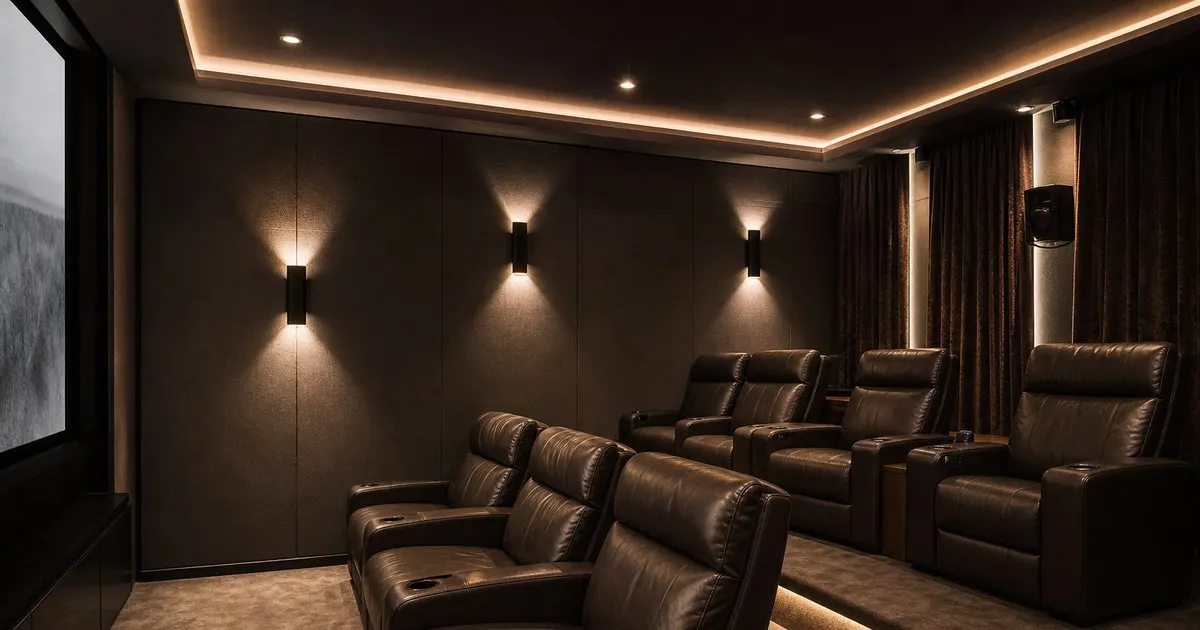
How do you choose luxury home cinema seating for a dedicated theater room?
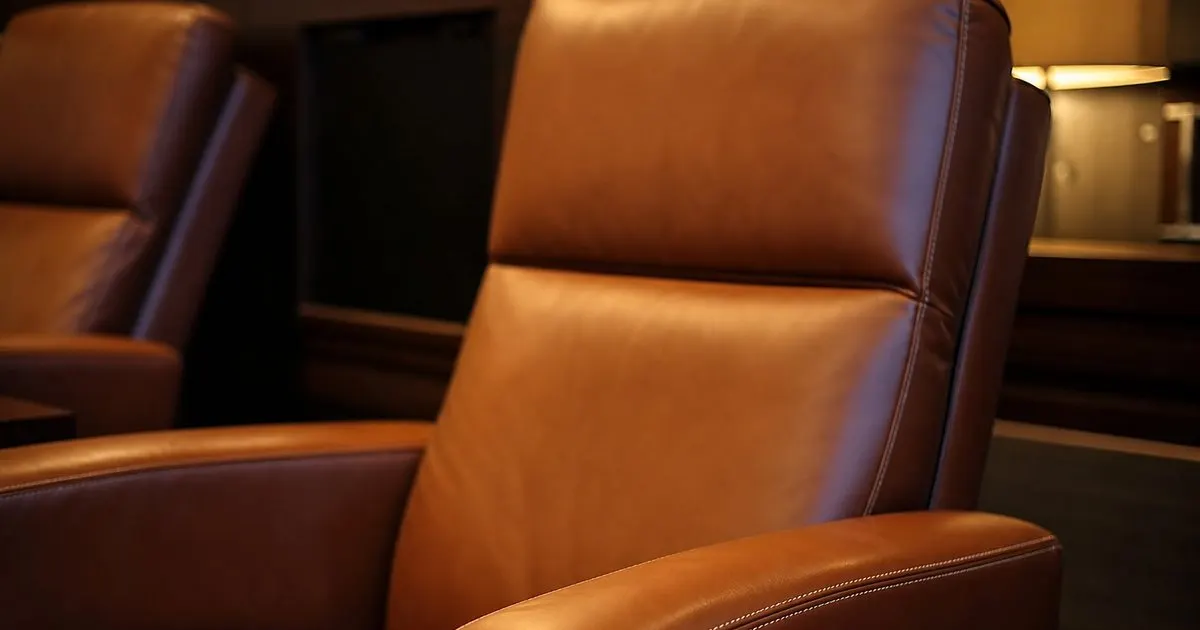
What upholstery materials hold up best in a high-end private screening room over time?
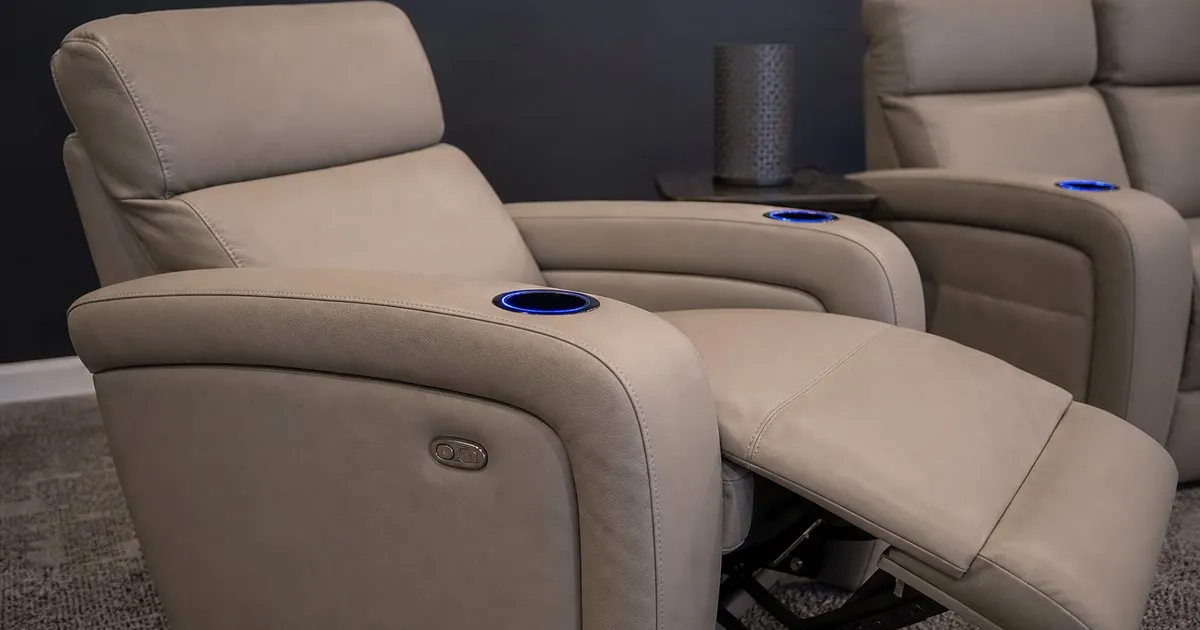
Which reclining mechanisms deliver lasting comfort in premium theater seating arrangements at home?
Get the complete luxury home cinema seating guide
Our full buying guide, the price guide, and new research as we publish it. One email, no spam, unsubscribe any time.