Which reclining mechanisms deliver lasting comfort in premium theater seating arrangements at home?
A look at powered and manual recline, wall-hugging designs, and what keeps a mechanism quiet for years.
For lasting comfort, powered wall-hugging mechanisms usually lead: they recline quietly, stop anywhere, and sit close to the wall to save room depth. Prioritize a quiet, cycle-rated motor and solid metalwork, and consider powered headrests and lumbar so each viewer can tailor support across a full film.
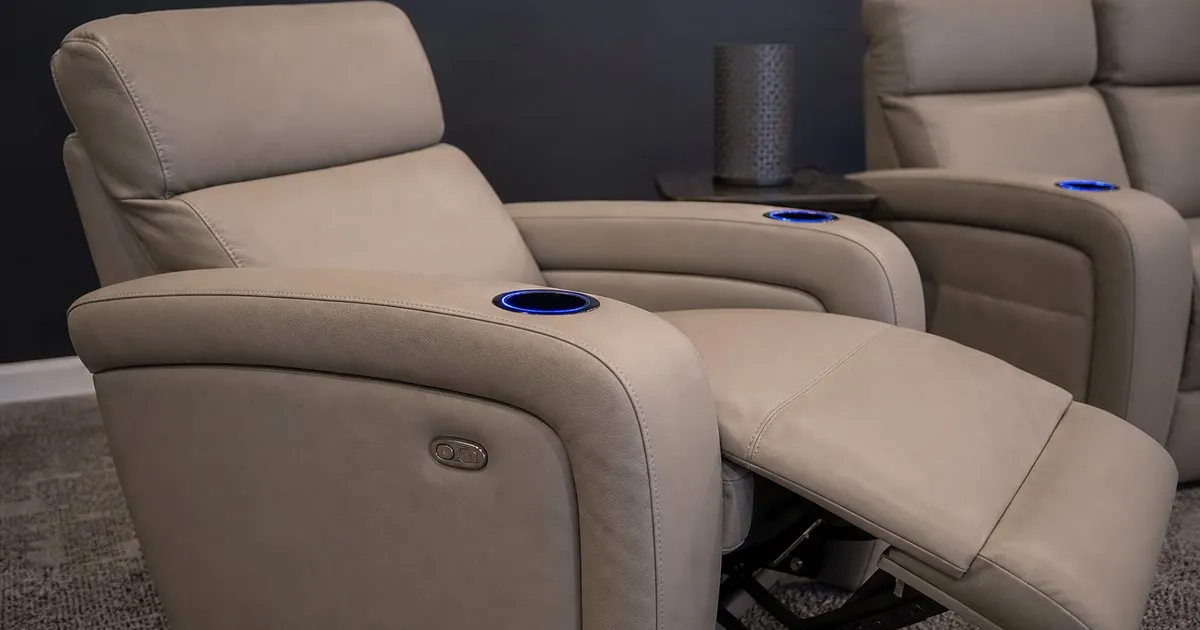
Powered versus manual
Powered mechanisms recline smoothly, stop anywhere, and spare you the lever's effort, which suits a refined room. They do rely on a power source and a quality motor.
Manual mechanisms are simpler and have fewer parts to service, but they lack the infinite positioning and quiet ease of a good motor. For a signature room, powered recline usually earns its place.
Keep reading: How do you choose luxury home cinema seating for a dedicated theater room?, What upholstery materials hold up best in a high-end private screening room over time?, Why does row spacing matter so much when planning tiered home cinema seating?. See how Plushseatr helps you a design guide to luxury home cinema seating.
Why wall-hugging matters
Wall-hugger designs glide forward as they recline, so seats sit closer to the wall and preserve precious room depth. In a tiered layout, that saved space can mean an extra row or wider walkways. Related: What upholstery materials hold up best in a high-end private screening room over time?
The mechanism's travel also affects the row behind. Understanding how far a seat extends helps you space rows so no one's view is blocked.
Judging quietness and durability
A premium motor moves almost silently and stops without a jolt, which keeps the mechanism from intruding on a quiet scene. Listen closely during any demonstration.
Durability lives in the metalwork and the motor's rating. Ask about cycle life and warranty, since a mechanism used daily accumulates thousands of movements over its life. Related: What should a buyer look for in the warranty on luxury cinema seating?
Added comfort features
Powered headrests and lumbar let each viewer fine-tune support, which matters over a long film. These refinements turn a good seat into one that fits the individual. Related: Are motorized headrests and powered lumbar worth the premium in luxury theater chairs?
Consider ease of control too. Intuitive buttons or a discreet panel keep adjustments effortless and unobtrusive in a darkened room.
- Powered recline offers quiet, infinite positioning for a refined room
- Wall-hugging designs preserve room depth in tiered layouts
- Quietness and cycle-rated motors signal lasting quality
- Powered headrests and lumbar tailor comfort to each viewer

Julien Jimenez
Julien Jimenez is an independent software builder based in Paris. He designs, ships, and operates focused SaaS products for small businesses and independent professionals. Read the full author page.
Frequently asked questions
Do powered recliners fail more than manual ones?
A quality powered mechanism with a well-rated motor is very reliable, though it has more parts than a manual one. Cycle ratings and a solid warranty are the best indicators of durability.
What is a wall-hugger recliner?
It is a design that slides forward as it reclines, letting the seat sit close to the wall. This preserves room depth and helps with spacing between tiered rows.
Seating Worthy of Every Screening
A design guide to luxury home cinema seating. Plushseatr is built to help you put this into practice.
Choose your seatingMore from the Plushseatr blog
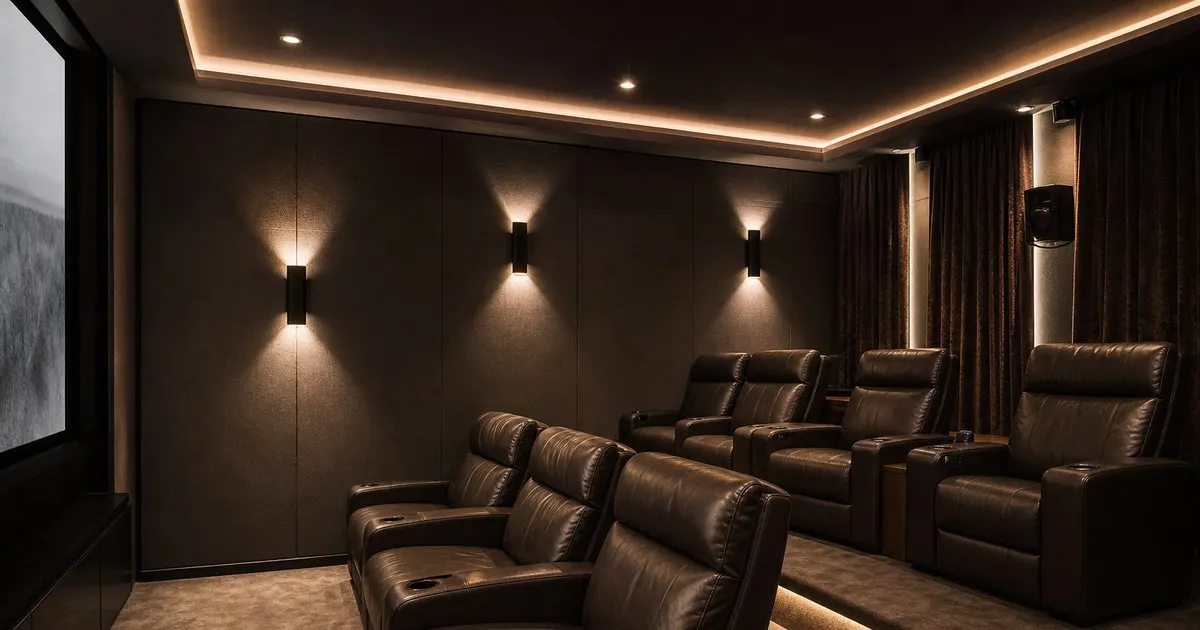
How do you choose luxury home cinema seating for a dedicated theater room?
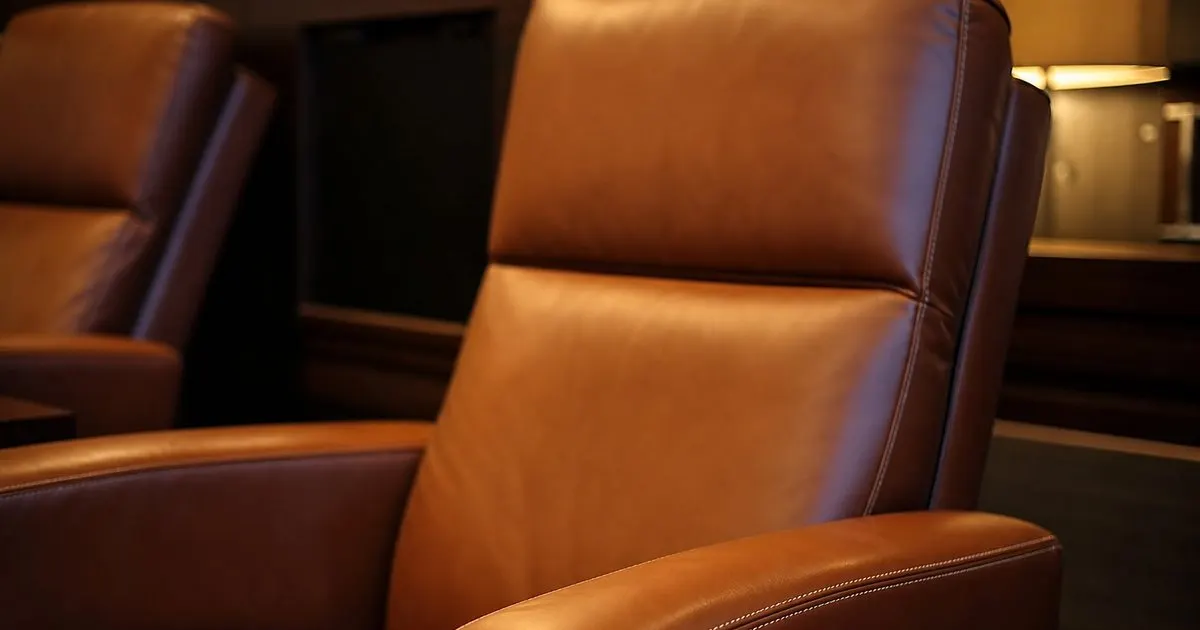
What upholstery materials hold up best in a high-end private screening room over time?
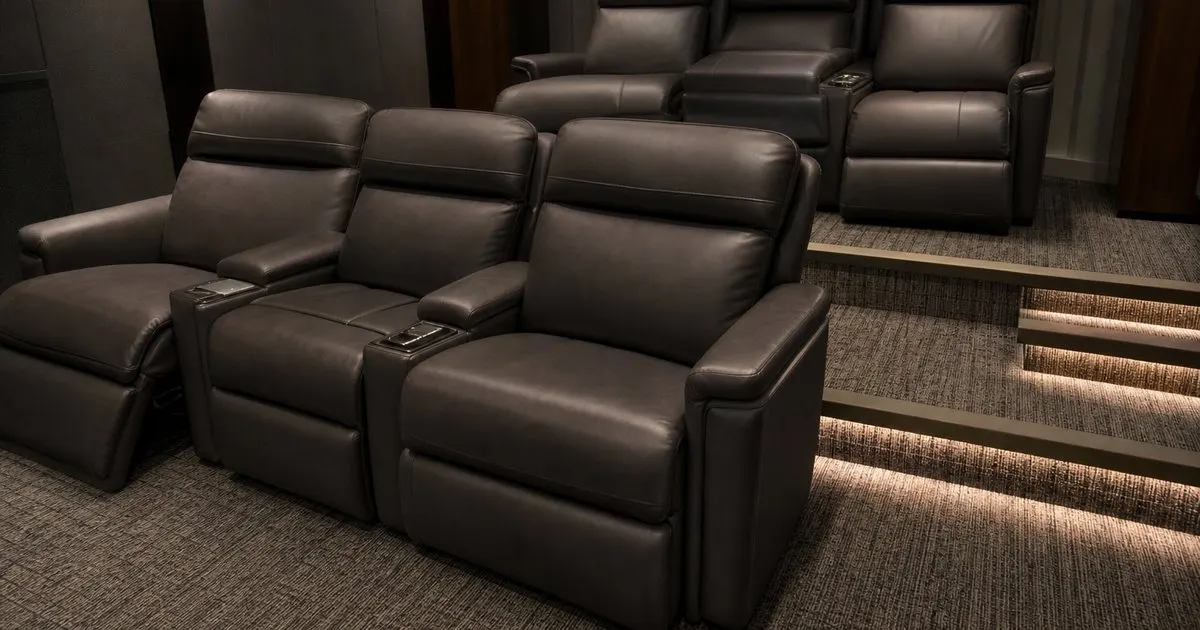
Why does row spacing matter so much when planning tiered home cinema seating?
Get the complete luxury home cinema seating guide
Our full buying guide, the price guide, and new research as we publish it. One email, no spam, unsubscribe any time.