Frame construction
Look for kiln-dried hardwood or reinforced steel frames rather than particleboard. The frame carries every recline for years, and it is the single clearest predictor of whether seating will still feel solid a decade on.
Considered guidance for affluent buyers weighing the finest theater seating for a dedicated room at home, from upholstery to configuration.
An independent guide. We may earn a commission from some links, at no extra cost to you.
Football season kickoff. September means long Saturdays and Sundays in the chair, and row spacing decides whether the back row is comfortable or merely present. Get the geometry right before the season settles in.
Why row spacing mattersThe considered middle ground most discerning buyers should weigh first, balancing craft and value. Full-grain leather options, Quiet powered recline, Adjustable headrest and lumbar.
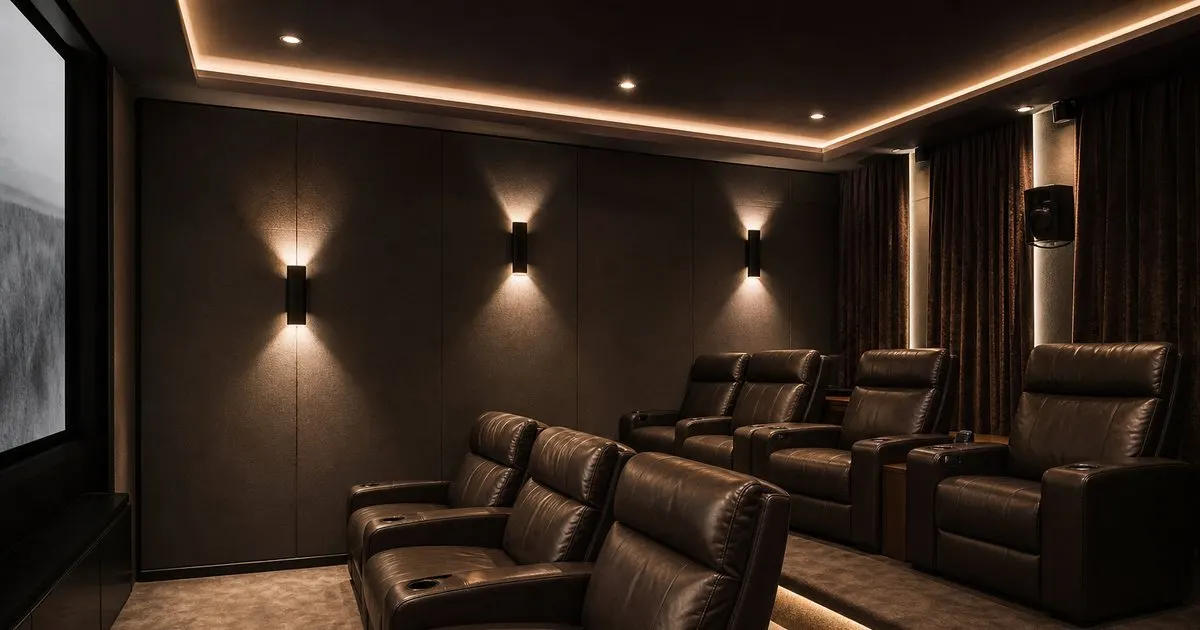
A dedicated cinema room deserves seating that disappears into the experience. The wrong chair announces itself with creaking mechanisms, hot upholstery, and a recline that never quite settles. Choosing well means looking past the marketing to the frame, the foam, and the way a row is spaced.
Most buyers meet a wall of near-identical options with confident claims and little substance. This guide reframes the decision around what actually endures, so the room you build feels considered a decade from now, not merely impressive on the day it arrives.
The details that separate a considered purchase from an expensive mistake at this level.
Look for kiln-dried hardwood or reinforced steel frames rather than particleboard. The frame carries every recline for years, and it is the single clearest predictor of whether seating will still feel solid a decade on.
High-resilience, high-density foam holds its shape through thousands of sittings. Softer, cheaper fills feel plush in the showroom and collapse within a season, leaving a seat that sags precisely where you rest most.
Full-grain leather ages beautifully and breathes; top performance fabrics resist spills and fading. The right surface depends on your room light, your household, and how the seats will actually be used.
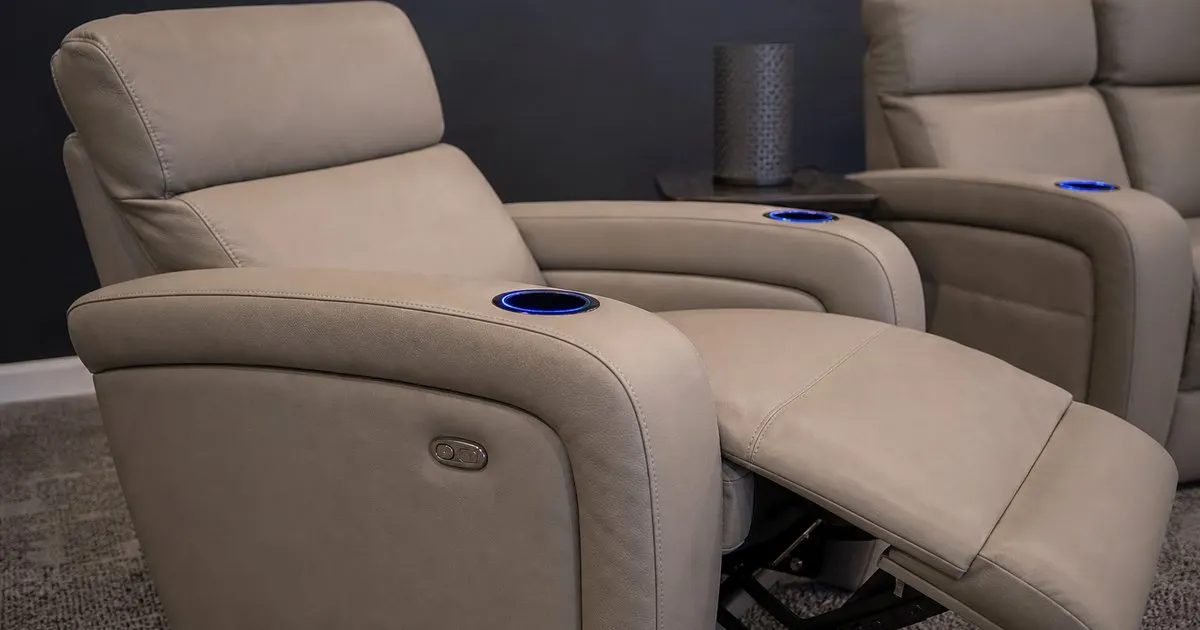
Powered mechanisms should move quietly and stop anywhere, with a wall-hugging design that saves space. Test for smoothness and a reassuring lack of noise, since a loud motor breaks the spell of a quiet scene.
Adjustable headrests and considered lumbar shaping keep long viewings comfortable. Seat depth and back angle matter as much as padding, and the best chairs support the body without forcing a single fixed posture.
Modular rows, curved arrangements, and integrated consoles let seating suit the room rather than the reverse. Consider loveseat sections, end caps, and the option to add seats later as the household grows.
A calm, three step way to arrive at the right choice with confidence.
Map viewing distances, riser heights, and walkways before choosing anything. The finest chair fails in a room where sightlines are compromised or the front row sits too close to the screen.
Weigh leather against performance fabric based on light, children, and climate. Order swatches, see them in your own room light, and choose the surface you will be glad to live with for years.
Test the recline, the headrest travel, and the seat depth in person where possible. Comfort is deeply personal, and a considered showroom visit reveals what specifications never can.
A clear sense of what to expect at every level, from entry to bespoke. Independent guidance, never a sales pitch.
Figures are typical US market ranges to guide your planning, not quotes.

This guide is maintained by an independent editorial desk that studies luxury home cinema seating in real rooms, not showrooms. We accept no payment to favor a maker, and our criteria are drawn from installers, acousticians, and the buyers who live with these choices.
It depends on room dimensions and sightlines rather than a fixed number. Prioritize comfortable spacing and clear walkways over squeezing in an extra chair, since crowded rows undermine the very experience you are building.
Both can be excellent. Leather ages with character and wipes clean; performance fabric resists spills and stays cooler. The right answer depends on your room light, your household, and how the seats will be used.
Most need a nearby outlet, and some benefit from in-floor power for a clean look. Plan power runs during a room build rather than after, so cabling never compromises the finished room.
A well-constructed frame with high-density foam should serve comfortably for many years of regular use. Longevity comes down to frame material, foam density, and upholstery quality far more than price alone.
Often yes, if you choose a modular system and note the finish details. Confirm continued availability of your leather or fabric before committing, since dye lots and materials can change over time.
No. We are an independent guide that researches and compares options to help you decide, and we may earn a referral fee. Nothing here is financial advice; treat it as considered editorial guidance.
Our full buying guide, the price guide, and new research as we publish it. One email, no spam, unsubscribe any time.
A design guide to luxury home cinema seating. Independent guidance, written to help you choose well.
Read the complete guide