How do you choose luxury home cinema seating for a dedicated theater room?
A calm, criteria-led approach to selecting theater seating that stays comfortable and handsome for years.
Choose luxury cinema seating by settling the room first, then judging construction over appearance. Confirm sightlines and spacing, insist on a hardwood or steel frame with high-density foam, match leather or performance fabric to your household, and test recline and support across a full film rather than a brief showroom moment.
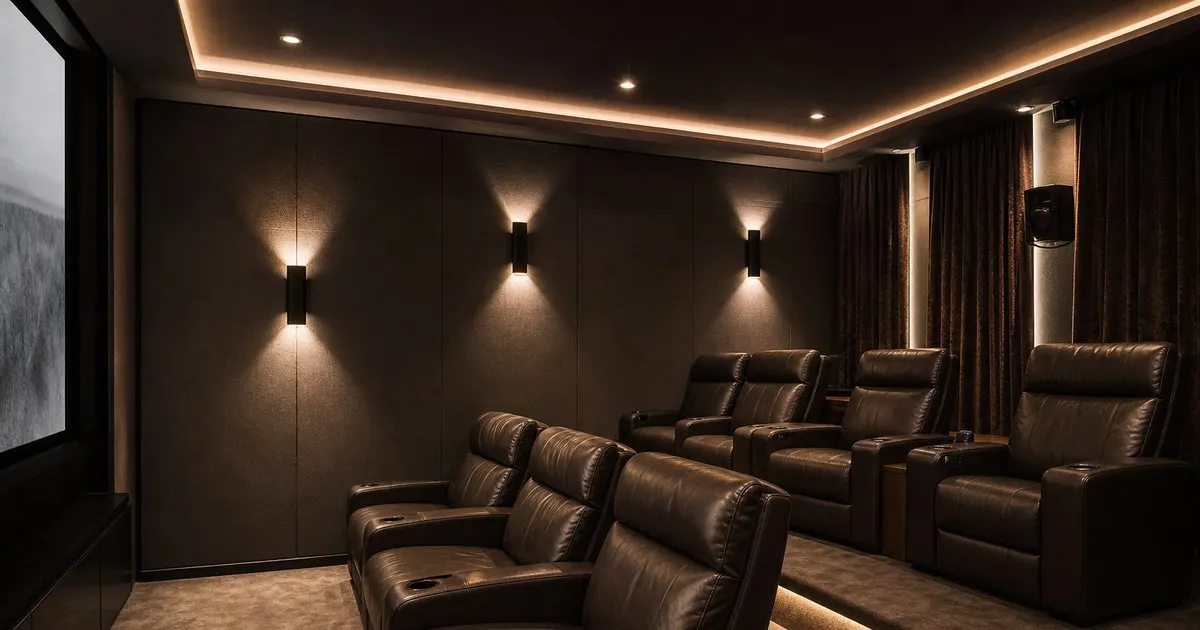
Start with the room, not the chair
The finest seating cannot rescue poor sightlines or crowded walkways, so the room comes first. Map viewing distances, riser heights, and clearances before you fall for a particular model. Related: Why does row spacing matter so much when planning tiered home cinema seating?
Once the geometry is settled, seating choices fall into place naturally. You will know how many rows fit, where a loveseat belongs, and how much recline the space can accommodate without blocking the row behind. Related: How many seats should a dedicated home theater room comfortably accommodate for guests?
Keep reading: What upholstery materials hold up best in a high-end private screening room over time?, Which reclining mechanisms deliver lasting comfort in premium theater seating arrangements at home?, Why does row spacing matter so much when planning tiered home cinema seating?. See how Plushseatr helps you a design guide to luxury home cinema seating.
Judge construction over appearance
A showroom rewards plush first impressions, but longevity lives in the frame and foam. Kiln-dried hardwood or steel frames and high-density foam are what keep a seat solid and shapely for a decade.
Ask what sits beneath the upholstery rather than admiring only the surface. A beautiful hide over a weak frame will disappoint long before its looks fade.
Match materials to real life
Leather ages with character and wipes clean, while performance fabric resists spills and stays cooler under lights. Neither is universally better; the right surface depends on your household and room light. Related: What upholstery materials hold up best in a high-end private screening room over time?
Order swatches and view them in your own room before deciding. Materials read very differently under warm theater lighting than under showroom fluorescents.
Plan for comfort across a full film
Test recline travel, headrest adjustment, and seat depth for a two-hour sitting, not a two-minute trial. Small ergonomic differences compound over the length of a feature.
Consider powered lumbar and headrests if long viewings are the norm. The goal is seating that disappears into the experience rather than reminding you it is there. Related: Which reclining mechanisms deliver lasting comfort in premium theater seating arrangements at home?
- Design the room and sightlines before selecting any chair
- Prioritize frame and foam quality over showroom plushness
- Choose upholstery for your household, not just for looks
- Test for comfort across a full film, not a brief trial

Julien Jimenez
Julien Jimenez is an independent software builder based in Paris. He designs, ships, and operates focused SaaS products for small businesses and independent professionals. Read the full author page.
Frequently asked questions
Should I buy seating before finishing the room?
Plan the room layout first, since sightlines and spacing determine what seating will work. Choosing chairs before the geometry is settled often leads to crowded rows or compromised views.
Is more recline always better?
Not necessarily. Excessive recline can compromise sightlines to the screen and crowd the row behind. The best recline suits your room depth and viewing angle, not the deepest position available.
Seating Worthy of Every Screening
A design guide to luxury home cinema seating. Plushseatr is built to help you put this into practice.
Choose your seatingMore from the Plushseatr blog

What upholstery materials hold up best in a high-end private screening room over time?
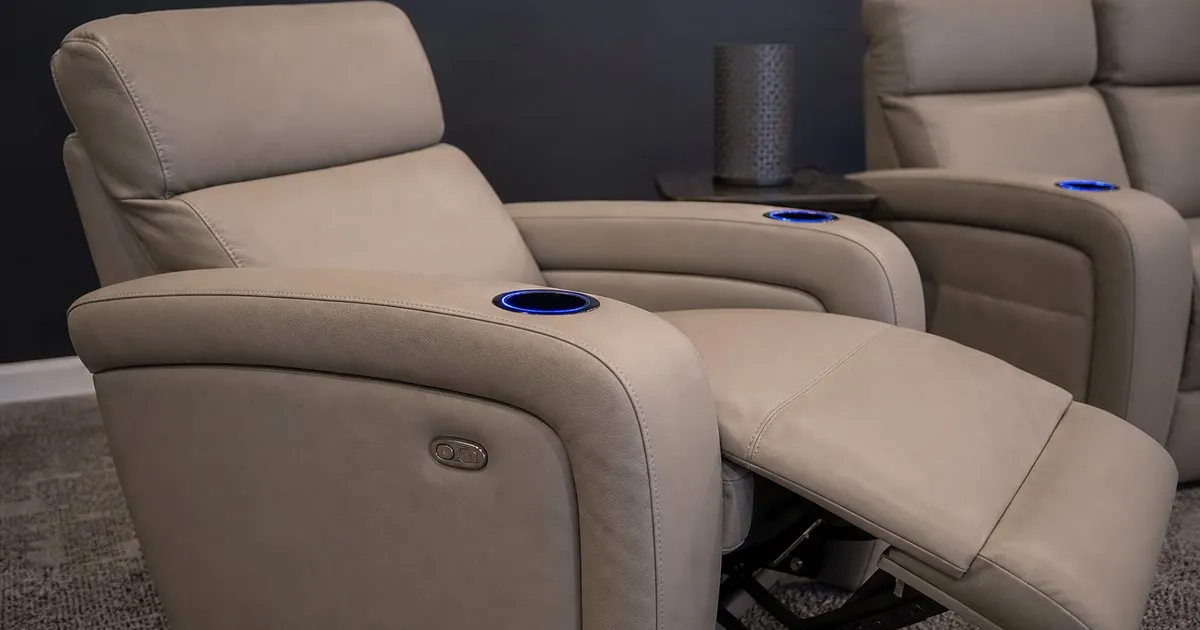
Which reclining mechanisms deliver lasting comfort in premium theater seating arrangements at home?
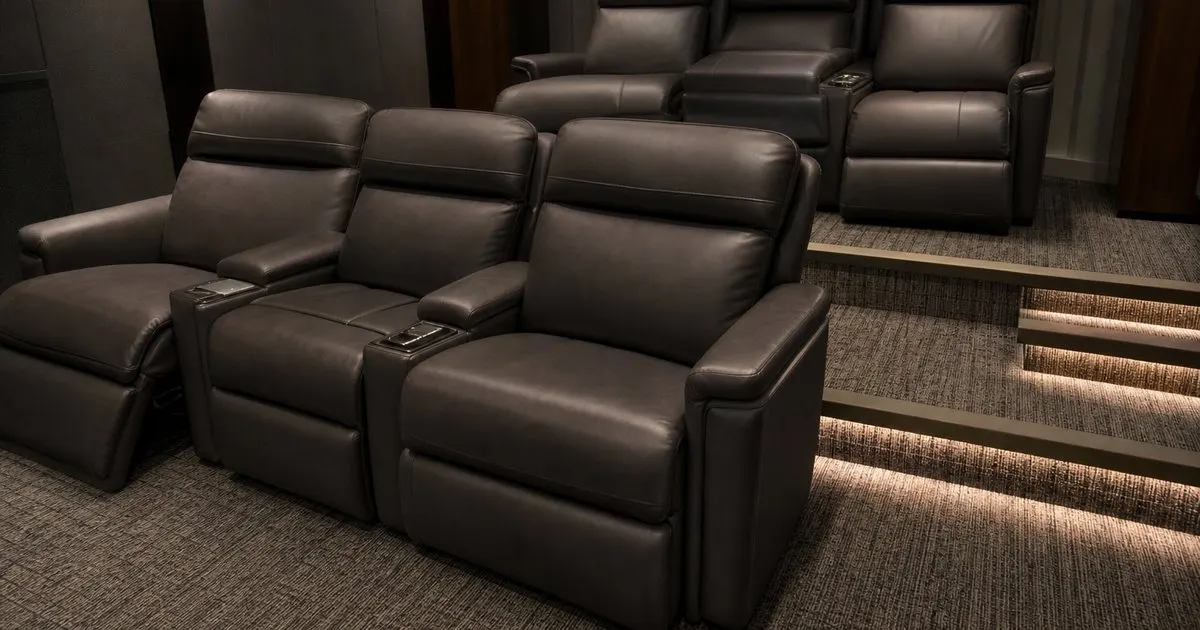
Why does row spacing matter so much when planning tiered home cinema seating?
Get the complete luxury home cinema seating guide
Our full buying guide, the price guide, and new research as we publish it. One email, no spam, unsubscribe any time.