How do you integrate tactile bass transducers into luxury home cinema seating without ruining comfort?
Tactile transducers add a felt layer of low frequency impact to each chair, but only when they are mounted, wired and calibrated correctly. Here is how to specify them at order time and set them so they support the film instead of dominating it.
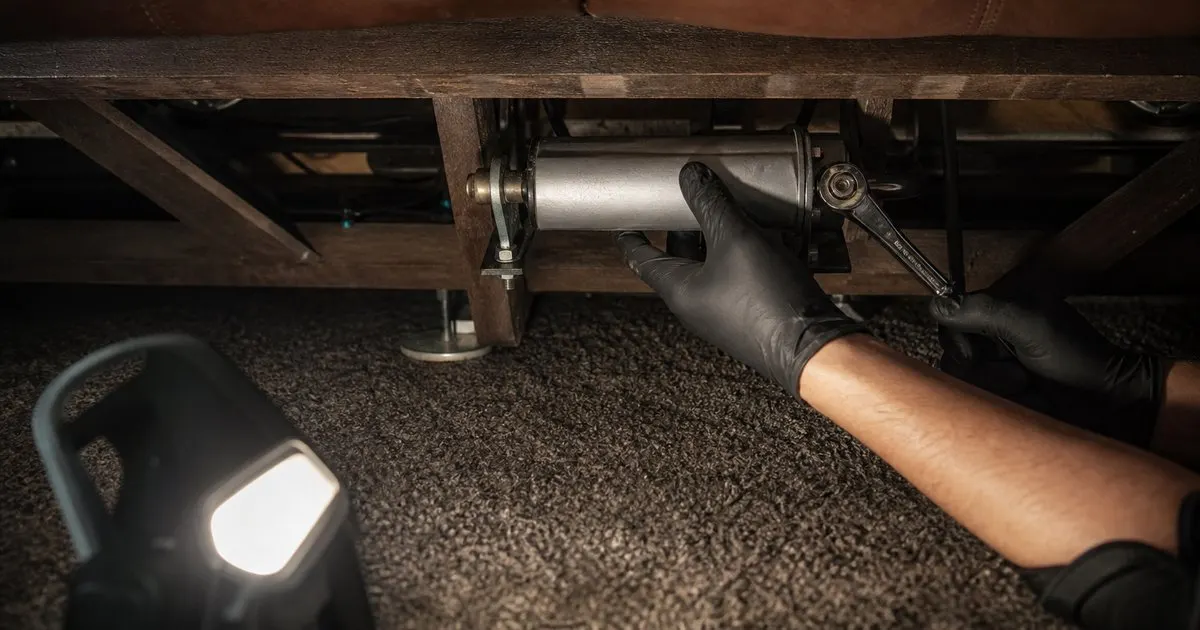
What a tactile transducer actually does to a seat
A tactile transducer, often called a bass shaker, is not a loudspeaker. Rather than moving air, it drives a weighted mass against a rigid surface so the surface itself vibrates. Bolted to a cinema chair, it turns the frame into the thing you feel: the rumble beneath an engine, the thud of a heavy door, the low pressure of a room shaking on screen. It works in the octaves where hearing fades and touch takes over, typically well below the range where dialogue and most of the score live. Related: How do you choose luxury home cinema seating for a dedicated theater room?
The reason to add one to a luxury seat is not to replace subwoofers. A properly specified room already produces low frequency energy you feel in your chest. Transducers add a localized, per seat layer felt through the back and thighs, which is useful when the room cannot be pressurized further without disturbing the rest of the house, or when a back row sits in a null and never receives the same impact as the front. Treated as a supplement they are genuinely excellent. Treated as a substitute for a real subwoofer array they disappoint.
Keep reading: How do you choose luxury home cinema seating for a dedicated theater room?, What upholstery materials hold up best in a high-end private screening room over time?, Which reclining mechanisms deliver lasting comfort in premium theater seating arrangements at home?. See how Plushseatr helps you a design guide to luxury home cinema seating.
Mounting points decide whether it feels convincing or cheap
A transducer only feels right when it is coupled to something stiff. Hardwood or steel seat frames, a solid cross member under the seat box, or a well supported seat deck transmit the energy cleanly into the body. Thin decorative panels, applied trim and hollow plinths ring and buzz instead. The mounting face has to be flat, the fasteners captive and properly torqued, and there should be no loose hardware or unsupported panel anywhere in the load path, because anything capable of rattling eventually will.
Keep the energy in the chair and out of the building. Mounting to the riser deck rather than the seat spreads vibration into the structure, shakes the neighboring row, and eventually becomes a complaint from the room above. Where seats sit on a riser, isolate each chair with dense pads under the base so the frame moves and the platform stays still. Cup holders, tray tables, lighted bases and loose remote pockets are the usual rattle sources, so run the transducer at full level and check every one of them before you sign off on the installation. Related: How many seats should a dedicated home theater room comfortably accommodate for guests?
Power, wiring and ordering the chairs correctly
Transducers need their own amplification and their own low pass filtering, fed from a subwoofer or dedicated effects output rather than tapped off the main speakers. Give each seat, or each pair, an independent amplifier channel so levels can be trimmed separately, because a front row on a solid slab and a back row on a hollow riser will never want the same setting. Keep transducer runs physically separate from the motor and USB wiring inside the chair, and terminate them at a floor box or plate near the row instead of trailing cable across a walkway.
The cleanest results come from specifying this at order time. Many premium makers will factory install transducers, or at minimum provide a prepared mounting boss and a wiring channel through the base. Retrofitting a finished chair means opening upholstery, hunting for a structural member and possibly affecting coverage, so ask the dealer in writing what factory provision exists and what a transducer does to the warranty. Plan the conduit under the riser in the same pass as the power for the recliner motors, since opening a finished riser later is the genuinely expensive part. Related: Which reclining mechanisms deliver lasting comfort in premium theater seating arrangements at home?
Calibrating so the effect supports the film
The most common mistake is setting the level by ear on a trailer built around a huge low frequency effects track, then living with a chair that buzzes through every quiet conversation. Start with the transducer amplifier low, play a scene with sustained low content rather than a single explosive impact, and raise the level only until you notice the seat when the track calls for it and forget it the rest of the time. If you can identify the transducer as a sensation separate from the room, it is set too high. Related: What upholstery materials hold up best in a high-end private screening room over time?
Give the household control. A per seat level control, or at minimum a way to mute the effect on a given chair, keeps the feature from becoming a nuisance for a guest who dislikes it or a child who finds it startling. Recheck the setting once the room is fully dressed, because carpet, drapery and acoustic panels change what you feel as well as what you hear. Then revisit it after a few weeks of real viewing, when your ears have stopped auditioning the system and started simply watching films.
- Transducers add a felt, per seat layer of impact, they do not replace a properly specified subwoofer array.
- Mount to a stiff frame member, isolate each chair from the riser, and hunt down every rattle at full level before sign off.
- Give each seat or pair its own amplifier channel and low pass, wired separately from the recliner motor circuits.
- Specify factory provision at order time, and calibrate low so the effect is noticed only when the soundtrack asks for it.

Julien Jimenez
Julien Jimenez is an independent software builder based in Paris. He designs, ships, and operates focused SaaS products for small businesses and independent professionals. Read the full author page.
Seating Worthy of Every Screening
A design guide to luxury home cinema seating. Plushseatr is built to help you put this into practice.
Choose your seatingMore from the Plushseatr blog
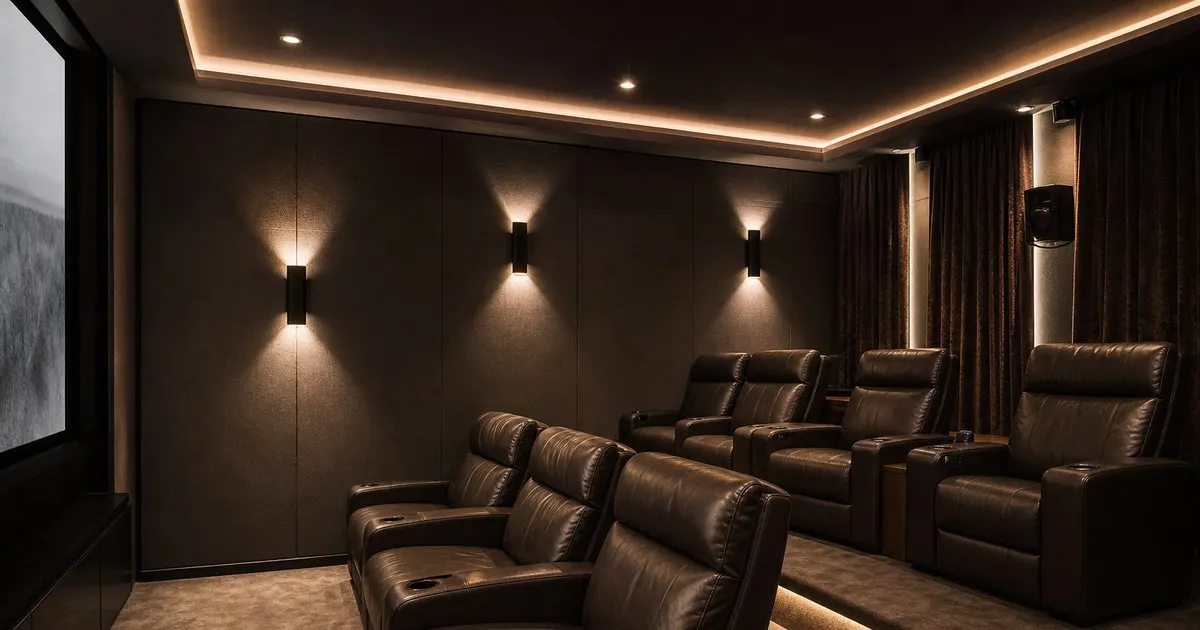
How do you choose luxury home cinema seating for a dedicated theater room?
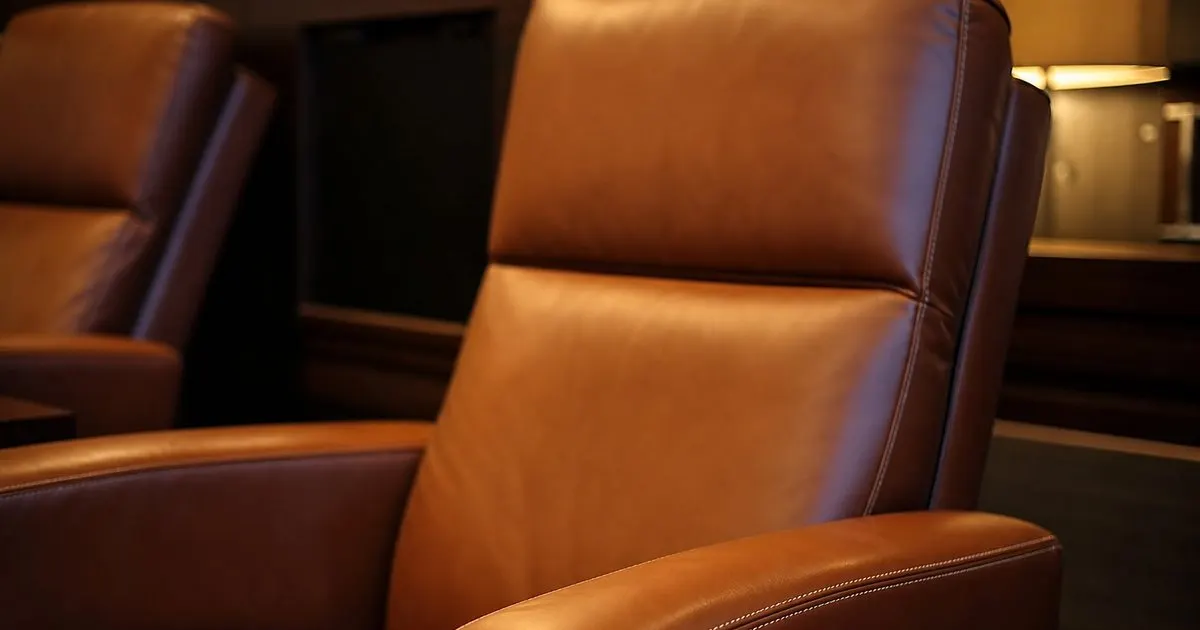
What upholstery materials hold up best in a high-end private screening room over time?
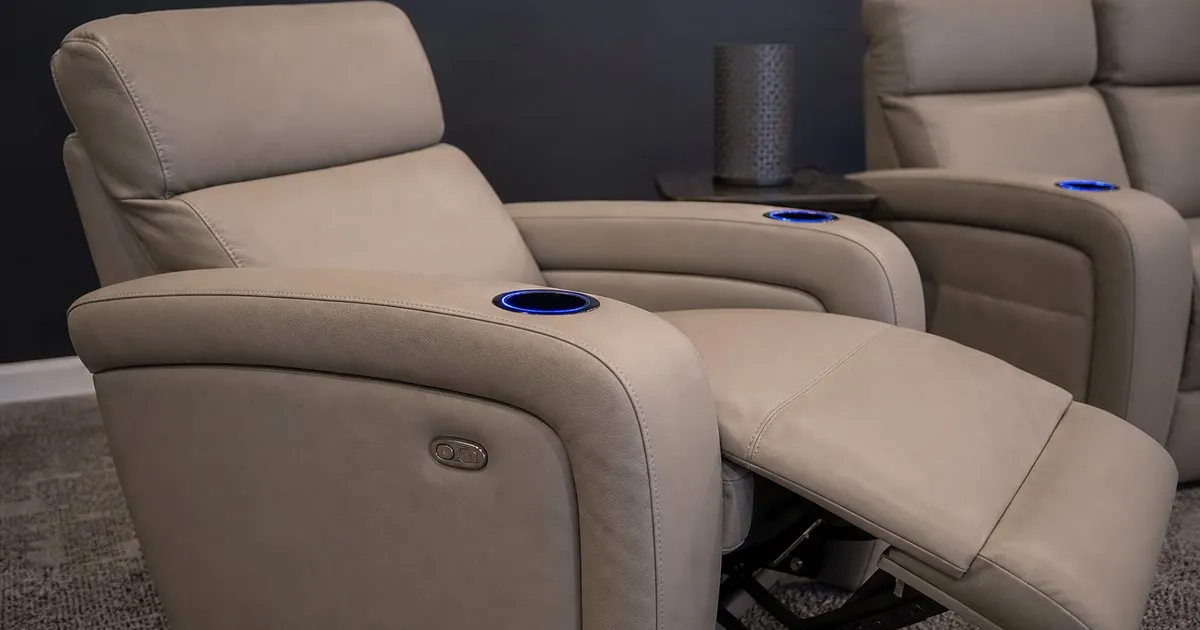
Which reclining mechanisms deliver lasting comfort in premium theater seating arrangements at home?
Get the complete luxury home cinema seating guide
Our full buying guide, the price guide, and new research as we publish it. One email, no spam, unsubscribe any time.